Choose a Shape and Texture
There is no single best biscuit style. A neat cut-out, a soft scoop, or a pressed pattern each suits a different dough and occasion. Begin with the texture you enjoy, then choose a method designed to support it.
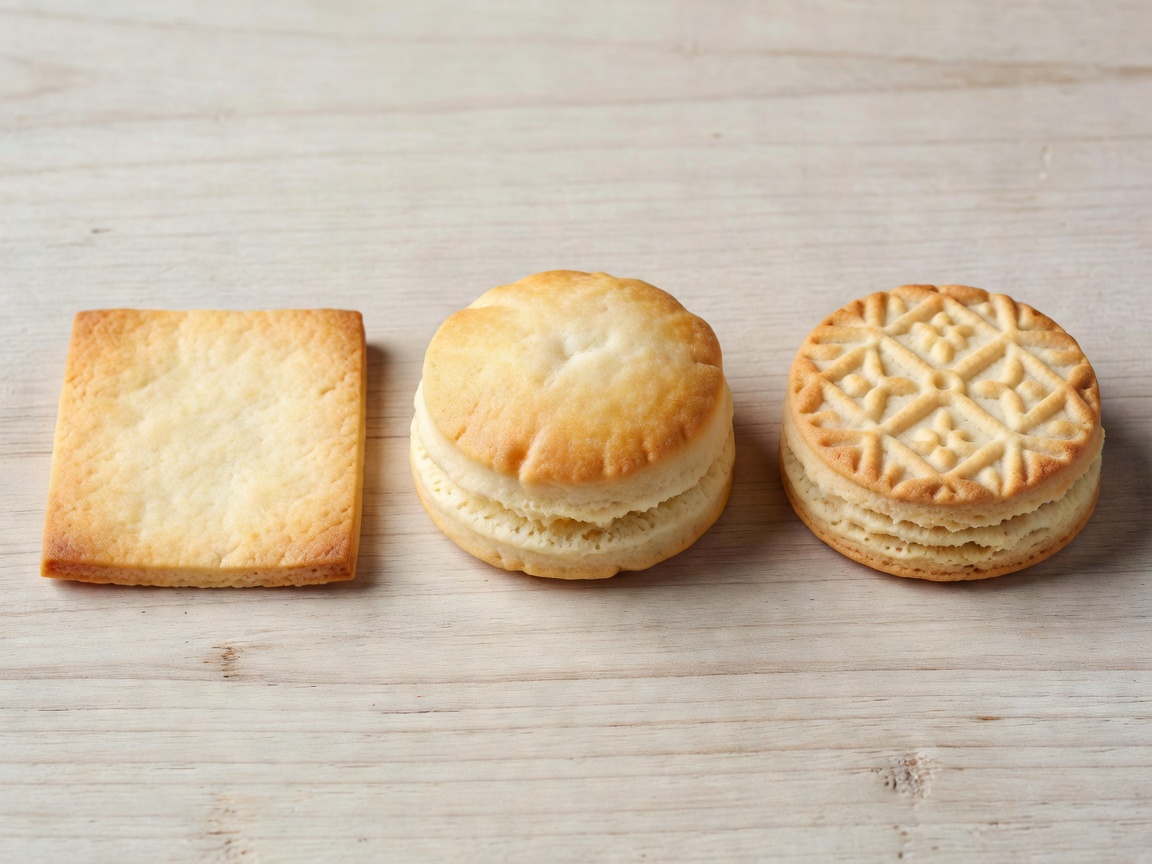
Four familiar approaches
Names for biscuits vary across places and recipes, so use the method and expected texture as your guide. Dough proportions determine what can be rolled, scooped, or pressed; changing the shaping method alone may not produce the intended result.
Rolled and cut
Usually needs a dough firm enough to roll without sticking excessively. Consistent thickness encourages similar baking. It can be useful for tidy edges, repeated shapes, or later decoration.
Scooped and dropped
A softer dough is portioned directly onto the tray. The finished outline may be less regular, while scoop size and tray spacing help keep the batch consistent.
Pressed and patterned
Some doughs are shaped with a fork, stamp, or press. A dough that is too soft may blur detail; one that is too firm may resist the tool. Follow the recipe’s guidance on temperature and consistency.
Bar or slice style
Bars and slice-and-bake methods reduce individual shaping. Dough is formed as a slab or log, chilled if specified, then cut or portioned. Aim for even thickness so the pieces bake at a similar pace.
Texture is a set of choices
A crisp texture may be associated with a thinner shape, a longer bake, or a particular balance of moisture and fat, but no single factor tells the whole story. A thicker biscuit can retain a softer center, while a delicate, dry dough may crumble if handled too roughly. Recipe proportions and bake cues matter as much as appearance.
| Style | Typical shaping method | Useful focus | What to watch |
|---|---|---|---|
| Cut-out | Roll, then cut | Even thickness and clean edges | Sticking, scraps, and dough temperature |
| Scoop | Portion with spoon or scoop | Consistent portion size | Spacing and natural spread |
| Pressed | Pipe, stamp, or fork-pattern | Suitable dough consistency | Pattern definition and tool release |
| Bar or slice | Shape a slab or log, then portion | Even thickness | Firmness when cutting and matched pieces |
Choose with the occasion in mind
For a decorated biscuit, a recipe intended to hold a defined shape is a sensible place to start. For an informal snack, a scoop method can be convenient. A pressed pattern can add visual interest without elaborate finishing. Bars or slices can simplify portioning for a shared tray. Consider how much time you have, what equipment is on hand, and whether the biscuits need to travel.
When comparing results, keep a small bake journal. Note the recipe, piece thickness, spacing, oven position, and cooling time. If you want to change texture, adjust a single factor in a future batch rather than changing flour, fat, and bake time together.
The same label can describe different recipes. Use the recipe’s own method and visual cues instead of assuming all “shortbread,” “tea biscuit,” or “cookie” formulas behave alike.